

Why Seasonal Pet Care Matters
Pets in India face two very different problems during the monsoon and winter seasons: muddy paws, fungal infections, and parasites during the monsoon and wintertime. So, pet care is very important.
Every year, pet owners look far and wide for winter dog care in India and monsoon pet care in India because the country’s weather is unpredictable, humidity rises, and many pets get sick from sudden temperature changes.
This is your go-to seasonal guide if you want your pet to remain happy, healthy, warm, and free of infections.
Monsoon Pet Care Tips: Your 2025 Survival Guide
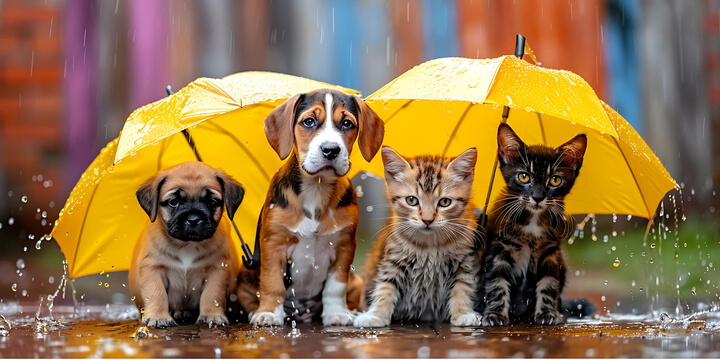
1. Keep your pet safe from fleas, ticks, and mites
High humidity = parasite party.
Ticks and fleas increase by 40–60% during the monsoon season, particularly in Indian cities like Chennai, Bengaluru, Delhi, and Mumbai.
What to do
- Apply anti-tick spot-ons once a month (from a veterinarian).
- Tick collars should be used, especially for dogs that go outside.
- Bedding should be blow-dried or sun-dried once a week.
- After each walk, give your pet a flea/tick comb.
- After each outing, wash their paws because ground-level grass is where ticks are found.
2. Treat Skin and Fungal Infections (India’s most prevalent monsoon problem)
Humidity + wet fur = fungal hotspots
Red spots, itching, hair loss, darkened skin, and a musty odour are common signs.
- Use antifungal shampoos once every ten to twelve days.
- After baths or exposure to rain, make sure your pet is completely dry.
- Avoid heavy conditioners; they trap moisture.
- Use the veterinarian-recommended medicated dusting powders.
For instance, due to their thick coats and skin folds, Golden Retrievers and Pugs are particularly vulnerable to fungal infections during the monsoon.
3. Paw and Hygiene Care (the key to infection-free living)
India’s monsoon roads are filled with chemical puddles, bacteria, and mud.
Simple hygiene practices are:
- Keep wipes and a towel near the door.
- After each walk, wash their paws.
- Use paw butter to stop redness and cracks.
- Mud gets trapped under nails and can lead to infections, so keep their nails short.
Avoid:
Letting pets walk in stagnant water: it may contain leptospirosis bacteria
4. Diet Tips for Monsoon: Keep the Gut Happy
During the monsoon, happy pets frequently have loose stools, appetite loss, and mild vomiting.
Add these to their diet:
- Probiotics (vet-approved)
- Boiled, easy-to-digest meals
- Fresh water frequently; bacteria grow fast in bowls
- Carrots, pumpkin, rice, boiled chicken
Avoid:
- Raw food (spoils quickly in high humidity)
- Damp kibble – store food in airtight containers
5. Keep Your Pet Mentally Active Indoors
Heavy rains mean cancelled walks.
Fun home activities:
- Treat puzzles
- Hide-and-seek
- Indoor fetch
- Snuffle mats
- DIY cardboard enrichment games
A mentally stimulated dog = less destructive behaviour.
6. Vaccinations and Preventive Care During the Monsoon
Cases of parvovirus, leptospirosis, and kennel cough increase during the monsoon.
Verify that these are up-to-date
- DHPPi Anti-rabies
- Leptospirosis
- Deworming
- Treatments for ticks and fleas
Winter Pet Care Tips: Keep Your Pet Warm, Safe & Healthy
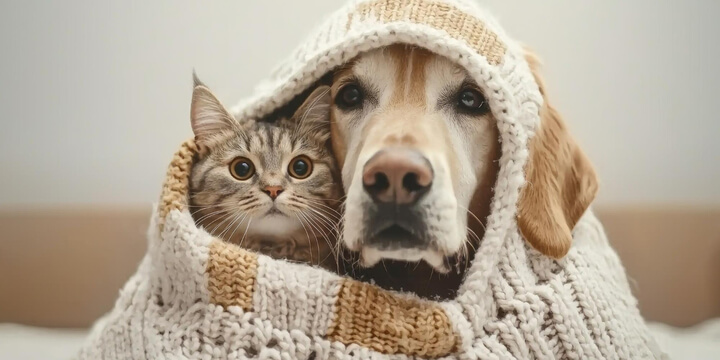
India has diverse winters, from North Indian freezing nights to South Indian mild cold. Dogs with thin coats or small breeds feel cold much faster.
1. How to Know If Your Pet Is Feeling Cold
Dogs and cats can’t say “I’m freezing!” but they show signs:
- Curling tightly into a ball
- Cold nose, cold paws
- Shivering
- Not wanting to get out of bed
- Sleeping more
- Stiff movement
Breeds like Beagles, Indies, Pugs, Shih Tzus, and Chihuahuas feel cold the quickest.
2. Sleeping arrangements that are warm (Very important)
Winter sleeping tips:
- Make use of memory foam beds or thick bedding.
- Avoid placing the bed near windows.
- Make use of light blankets
- For older dogs or breeds with thin coats, add a warm jacket.
Even in cities, Indian winters can drop below 10°C, so bring your outdoor pets inside at night.
3. Winter Diet Tips to Increase Energy and Immunity
Make good use of the increased appetite that comes with winter.
What to add:
- Fresh, warm meals
- Collagen-rich bone broth
- Omega-3 for the coat and skin
- Vegetables that are in season (carrot, spinach, pumpkin)
- Eggs (for dogs that can handle them)
Avoid:
- Steer clear of excessively oily treats.
- Too many carbohydrates
- Food that has been chilled cold
4. Wintertime Paw Care (Often Ignored)
Dry, cracked paws become painful in cold weather.
To fix it
- Apply paw butter every day.
- Steer clear of freezing floors
- Using dog socks (helpful but optional)
- Moisturise elbows to avoid cracks
For instance, hard flooring frequently causes dry elbow patches in labourers and Indies during the winter.
5. Protect Your Pet from Respiratory Infections
Winter brings more cases of kennel cough, colds, and viral infections.
Prevention checklist:
- Don’t let your pet sleep in direct cold drafts
- Warm baths only during the daytime
- Avoid contact with sick dogs
- Maintain vaccination schedule
6. Exercise & Activity: Don’t Let Winter Slow Your Pet Down
Many pets become lazy during winter and gain weight.
Exercise ideas for cold days:
- Shorter but more frequent walks
- Indoor fetch
- Tug-of-war
- Stair climbing
- Treat treasure hunt
A fit dog = a healthy heart + stronger immunity.
7. Winter Grooming (YES, pets still need grooming!)
Many pet parents avoid bathing their pets during winter, which leads to skin issues.
Do this instead:
- Bathe once every 3–4 weeks with warm water
- Dry thoroughly with a towel and dryer.
- Brush regularly to remove loose fur
- Use moisturizing shampoos
Pro tip:
Cats groom themselves but still need brushing to prevent hairballs during the winter shed.
Common Winter and Monsoon Mistakes Indian Pet Parents Make
- Skipping tick treatments in winter
- Letting pets walk in dirty monsoon puddles
- Giving very cold food during winter
- Over-bathing pets during the monsoon
- Not drying wet fur properly
- Leaving pets outside during cold nights
Avoid these, and 80% of seasonal issues disappear.
Example Scenarios Based on Indian Pets
1. Indie Dog in Delhi Winters
Indies have short coats → They feel cold at night.
Solution: Jackets + warm bedding + shorter morning walks.
2. Golden Retriever in Mumbai Monsoon
Golden retrievers get fungal infections quickly.
Solution: Regular drying, antifungal shampoo, and shaved paws.
3. Pug in Bengaluru Monsoon/Winter
Pugs struggle with breathing in humidity and cold.
Solution: Short walks, clean nose folds, warm sleeping area
Final Thoughts: Seasonal Care = Healthy Pets All Year in India
Monsoon and winter bring their own challenges, but with the right routine, Indian pet parents can keep infections, cold stress, and parasites away.