

It’s Sunday morning. You’ve filled the tub, arranged the shampoo, and called your dog’s name in your sweetest voice. And then—chaos.
Bruno goes under the bed. You dash forward. Bruno slides across the floor. You finally wrestle him into the bathroom, and within thirty seconds, you’re soaked from head to toe, he’s trembling in the corner, and both of you are miserable.
Sound familiar?
If you’re a pet parent, chances are you’ve lived this scene more than once. Whether it’s a Golden Retriever who acts like water is lava or a Shih Tzu who turns bath time into a full-scale protest, you are absolutely not alone. Pet Bath time is full of choas.
Here’s the truth: your pet doesn’t hate being clean; they hate the experience of getting there. And the good news? That’s fixable. With a few smart techniques and some patience, bath time can go from a battlefield to a bonding moment.
Let’s break it all down.
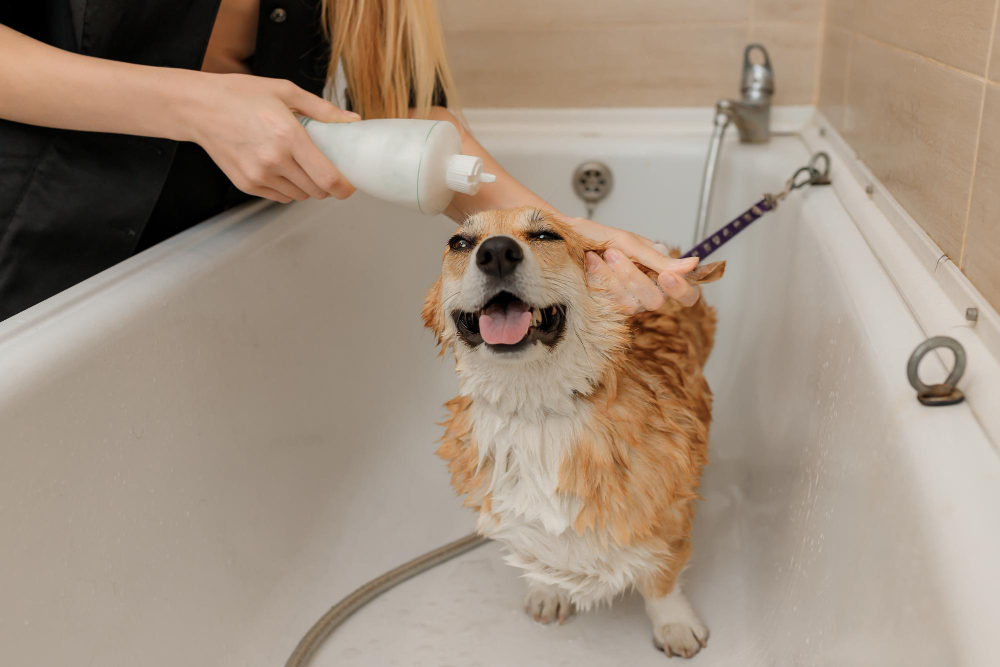
Why Does Your Pet Hate Bath Time?
First of all, let’s figure out why pet are scared during bath time. To begin with, there is a need to understand the cause of the pet’s fear during baths. Animal behaviorists claim that pets are afraid of baths due to sensory stimulation and a lack of control. Imagine how scary it would be to be bathed by someone who cannot explain why he or she is doing this.
In 2022, a pet wellness platform conducted a study among Indian dog owners. It was revealed that almost 68% of them noticed behavioral stress in dogs when they were grooming or bathing them. If your pet tries to escape, shakes, or hides, do not take it personally. Your pet really suffers from anxiety.
How to Bath a Dog at Home
Step 1: Build Positive Associations Before the Bath
This is the step that makes all the difference. And it is the step that many people miss out on.
Do not introduce your dog to the bathroom only on bath day. Spend some time there, sitting next to the bathtub, letting your dog explore the place, and offering him rewards. Try doing this for a couple of days before actually turning on the tap.
Step 2: Use Warm Water and Check the Temperature
The temperature of the water should be checked every single time, as the Indian climate is very inconsistent, and the water could be cold enough to shock your pet. The water needs to be warmed up. Test it on your wrist just like you do when bathing a child.
Be extra careful about the water temperature when bathing a puppy or a senior dog, since temperature variations may bother them much more than other dogs.
Step 3: Pick the Right Shampoo
Many people underestimate the importance of this step. Using the same shampoo that humans use may cause harm to your pet’s skin due to its different pH balance. India’s humid climate makes the chances of fungal infections, irritation, and skin dryness increase drastically.
Get yourself a dog shampoo that has been recommended by a veterinarian. If your pet suffers from skin problems (which is quite common among Labrador retrievers and pugs, for example), consult your vet before purchasing any product.
Step 4: Anti-Slip Measures
Dogs tend to panic during baths because they cannot find stable ground while lying in the water. They feel insecure. One small measure will help you solve this problem: put an anti-slip mat at the bottom of the tub or even an old towel.
Step 5: Quick Bathing Without Stress
It does not require an hour-long procedure to give a dog a proper bath. Usually, 10-15 minutes of bathing is enough. Talk calmly to your dog the whole time, try not to make any sudden moves, and avoid shouting at your pet if he shakes water everywhere (trust us, it happens).
Step 6: Reward Generously at the End
Reward Your Pet Generously at the End of the Bathing Session
The end of the bath session is always a reward session where you lavish treats and praises on your pet dog. Also, consider rubbing the dog vigorously dry with towels. With time, your dog will associate the experience with a reward rather than an aversive experience.
Special Tips for Cats:
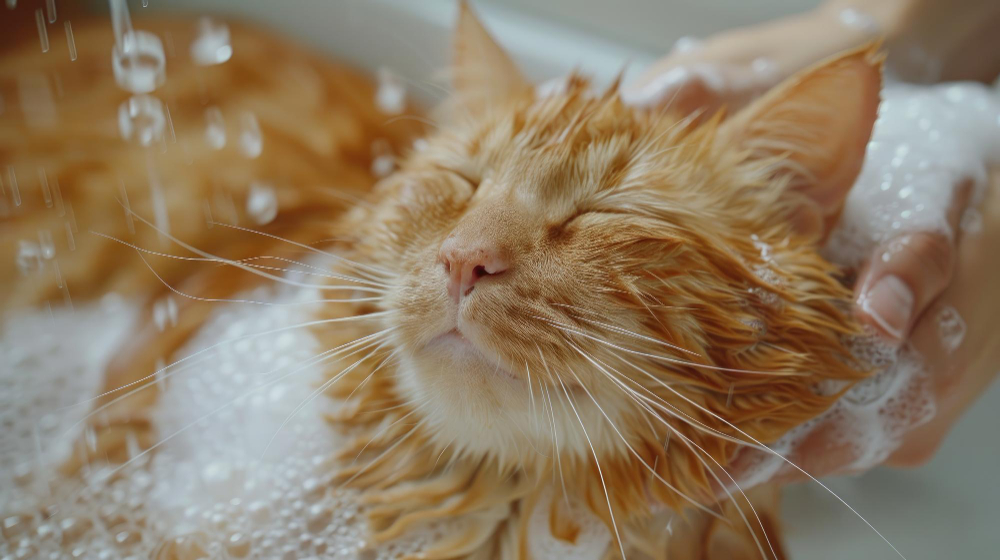
Cats are usually very clean pets with grooming habits, but when special circumstances arise, such as medical interventions, having been involved in accidents involving sticky substances, or severe dandruff issues, bathing becomes inevitable.
- There are a number of additional requirements when bathing a cat:
- No total immersions. A small cup or hand-held sprayer is ideal.
- Go slowly and gently. No second chances with cats.
- Towel-wrap them immediately after the bath because they do not appreciate being wet and cold.
- Look out for waterless cat shampoos.
When to See a Professional Groomer
Sometimes, despite your best efforts, the anxiety is too deep-rooted for home baths to work well. Signs to take help from a professional groomer:
- Your pet has extreme fear responses (shaking, aggression, loss of bladder control)
- They have a thick double coat that needs proper drying to avoid skin infections
- You’ve tried for months with no improvement
A good professional groomer, especially one who uses fear-free techniques, can help desensitize your pet gradually. Ask your vet for recommendations in your city.
Final Thoughts:
The fact of the matter is, there is no quick fix. It takes constant repetition, dedication, patience, and most importantly, tons of rewards. The only thing that truly matters is that every time things get better in the tub than they were last time.
And on those days that it does take a turn for the worse? That’s totally fine, too, because you were there for your furry friend. It’s not your fault if your dog hates taking a bath; it just means you are an amazing pet parent and are working hard to fix it!
Sign up for the Swoofi family today and join other pet parents from across India on our platform to talk about the joys and challenges of pet ownership, including disastrous bath time experiences. Get professional advice, product suggestions, and much more in one single community. Join Swoofi today.