

You’re in the kitchen, holding a bowl.
Your pet is sitting right in front of you, tail wagging, eyes full of trust, waiting for their meal.
You pause for a second and think…
“Am I feeding them the right thing?”
Should it be roti? Rice? Milk? Or that expensive pet food you saw online?
If you’ve ever felt this confused, trust me, you’re definitely not the only one. Almost every pet parent in India goes through this phase, trying to do the best but not always knowing what is actually best. According to veterinary observations, a large number of urban pets show signs of nutritional imbalance, from dull coats to low energy, simply because their meals aren’t fully balanced.

Why Your Pet’s Food Really Matters:
Food is not just about filling their stomach.
It decides how they feel every day.
- Are they active and playful?
- Is their coat shiny or dull?
- Do they fall sick often?
A lot of common problems like low energy, digestion issues, or even skin allergies come down to one thing: Diet
Many vets say that a large number of pets in urban India don’t get fully balanced nutrition. Not because pet parents don’t care, but because there’s too much confusion.
Homemade Food vs. Packaged Food:
This is the biggest question.
And honestly? There’s no single answer that works for everyone.
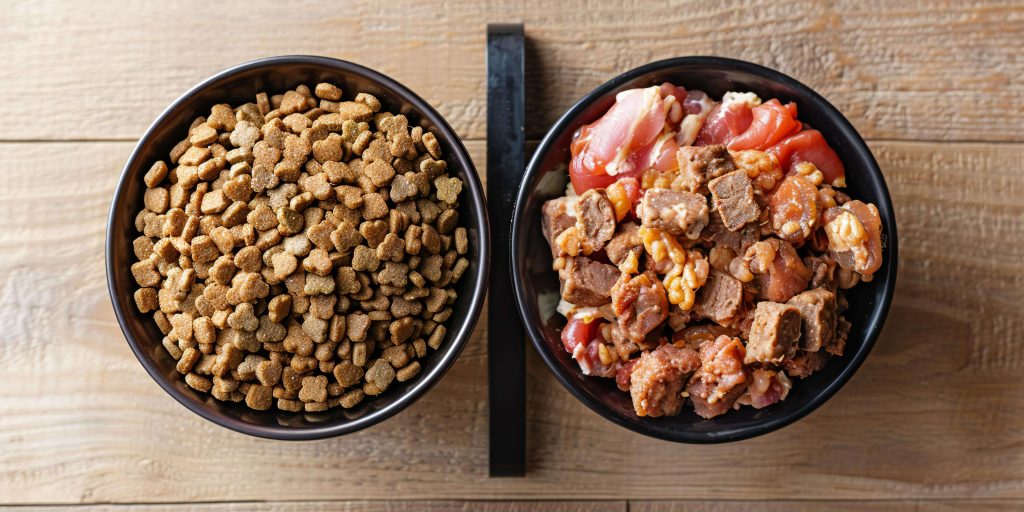
Homemade Food:
It feels right. It feels loving.
You know exactly what you’re putting in your pet’s bowl.
But here’s the catch: most homemade diets are not balanced.
For example:
- Too much roti or rice = excess carbs
- Not enough protein = weak muscles and low energy
So even with good intentions, pets may miss important nutrients.
Packaged Pet Food:
It’s convenient. It’s designed for pets.
Good-quality pet food is made to provide balanced nutrition, including proteins, vitamins, and minerals, in the right amounts.
But yes, not all brands are equal. Some are just focused on quality. So choose packaged food honestly.
Example: “The best diet isn’t complicated; just start with good pet food and add a little fresh, homemade goodness.”
What Should a Healthy Pet Diet Look Like?
You don’t need to overcomplicate it.
Just think balance.
For Dogs:
- Protein (40%-50%): Chicken, eggs, paneer
- Carbs (20–30%): Rice, sweet potato
- Fiber (10–15%): Carrots, pumpkin
- Fats: A little ghee or fish oil
For Cats:
Cats are very different. They need meat.
- High protein (chicken, fish)
- Very low carbs
- Essential nutrients like taurine
Feeding a cat only vegetarian food can actually harm them.
The Real Secret: Every Pet is Different:
Here’s the truth no one tells you:
There’s no single, perfect food that works for every pet. Every pet is different, and each one needs a different diet. So choose a diet according to their age.
Your pet’s ideal diet depends on:
- Breed
- Age
- Activity level
- Health conditions
The goal isn’t to be perfect – it’s to stay aware and consistent.
Common Mistakes Pet Parents Make:
Let’s be honest, we all learn the hard way.
- Giving too much milk → causes stomach issues
- Overfeeding treats → leads to weight gain
- Sharing biscuits or snacks → not safe for pets
- Guessing portion size → often ends up being too much
Small mistakes, but they add up over time.
Smart Feeding Tips:
- Follow a Routine – Feed at the same time every day; pets thrive on routine
- Read Labels Carefully – Always look for:
- Real meat is the first ingredient.
- No artificial colors or fillers
- Hydration is key – Always keep fresh water available.
- Adjust with Age –
- Puppies/kittens → high-energy food
- Adults → balanced diet
- Seniors → lighter, joint-supporting food
- Observe Your Pet – Their body tells you everything:
- Dull coat? Nutrition issue
- Low energy? Diet imbalance
- Loose stools? Wrong food
Final Thoughts:
At the end of the day, your pet doesn’t care about brands or trends.
They care about how they feel after eating.
- Are they active?
- Happy?
- Comfortable?
Don’t guess. Don’t rely on random advice. Learn, share, and grow with real pet lovers.
Join a community that truly understands pet parenting. Join Swoofi and be a part of Swoofi community.